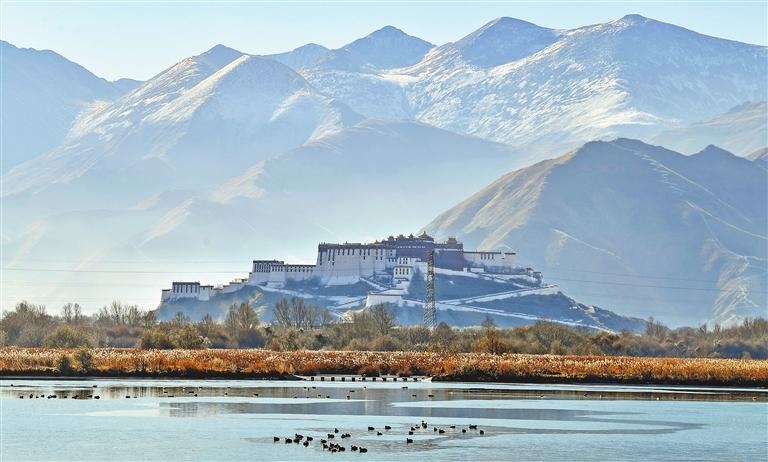
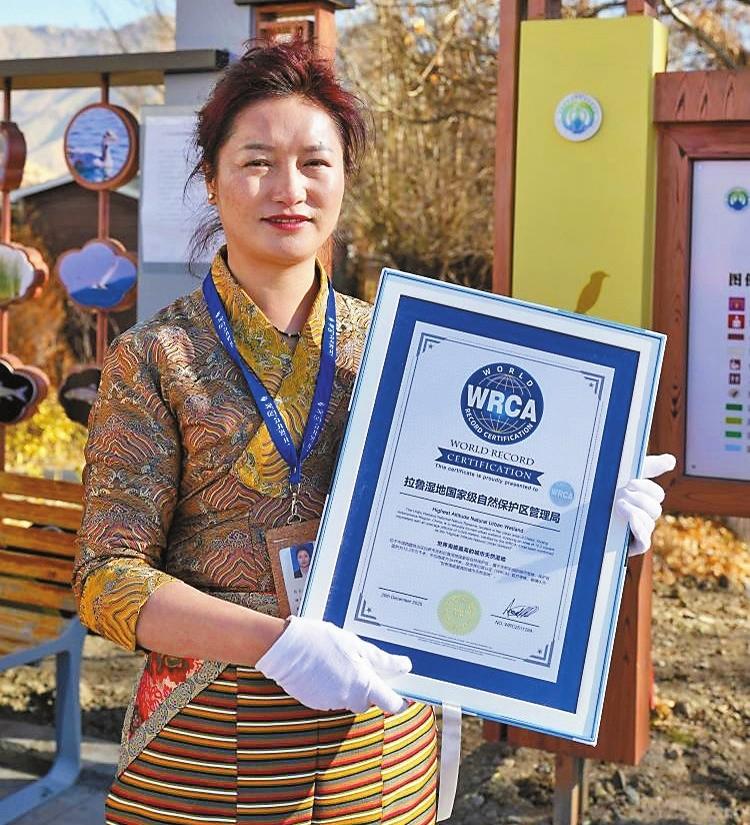
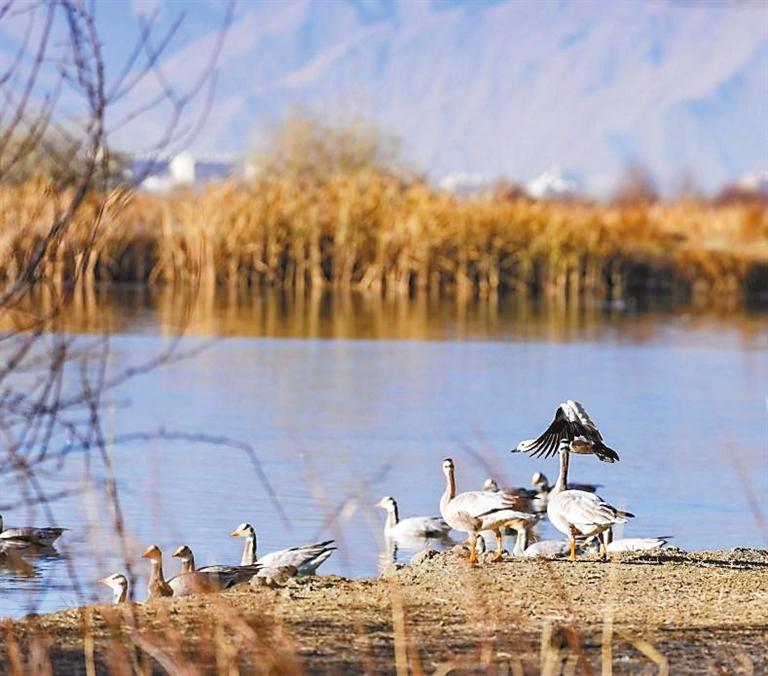
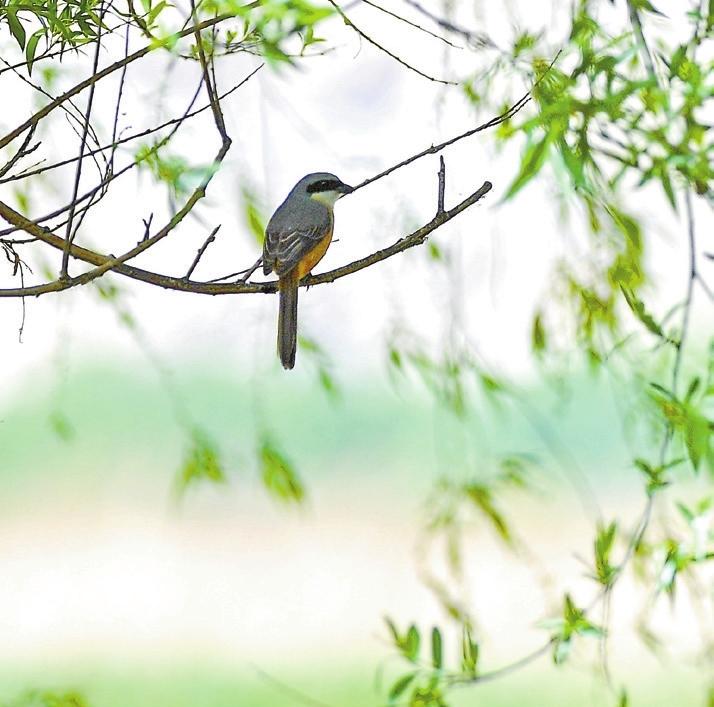
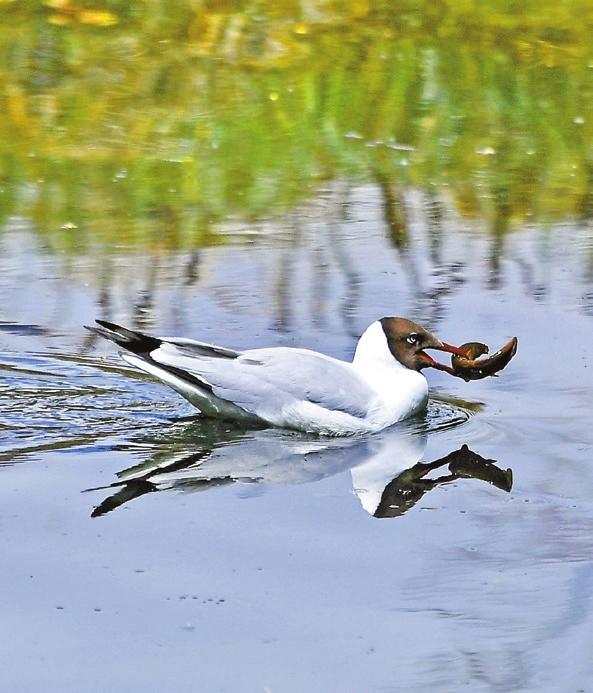
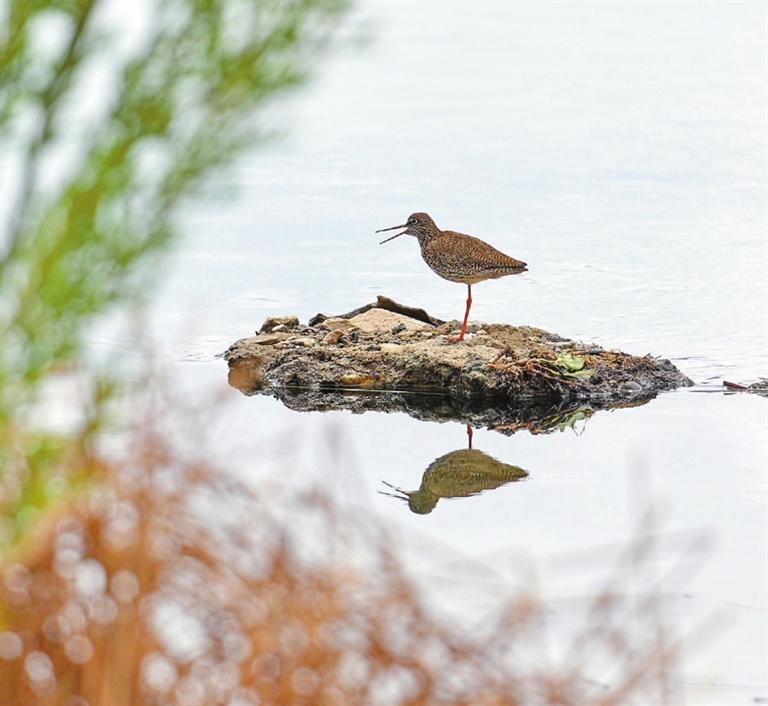
A CEREMONY was held Saturday at the Lhalu Wetland National Nature Reserve in the Xizang Autonomous Region, where the World Record Certification Agency (WRCA) formally certified the reserve as the world’s “highest natural urban wetland.” Nestled on the northwestern outskirts of Lhasa, Xizang’s capital city, the reserve is often referred to as “Lhasa’s lung” or “the city’s oxygen bar.” It sits at an elevation of approximately 3,650 meters above sea level. Historically, this expansive marshland acted as a natural flood buffer for the Lhasa River basin and served as a crucial habitat for wildlife and native vegetation on the Qinghai-Xizang Plateau. The wetland spans around 12.2 square kilometers and plays a vital ecological role — regulating the local climate, purifying water, and maintaining biodiversity. It is home to numerous bird species, including migratory birds like bar-headed geese and brown-headed gulls, as well as native plants uniquely adapted to high-altitude conditions. In recent decades, however, due to urban expansion and climate shifts, the wetland faced significant degradation. Since being designated a regional-level nature reserve in the 1990s and later receiving enhanced protection, Lhalu has seen substantial restoration. Walking trails, observation decks, and educational signage have been carefully integrated into the reserve, allowing visitors to appreciate its serene beauty while learning about its ecological importance. Today, it stands as a symbol of sustainable urban ecology — a tranquil natural escape just minutes away from the bustling streets of Lhasa, where one can witness the harmonious coexistence of city life and pristine wetland habitat. (SD News) | 