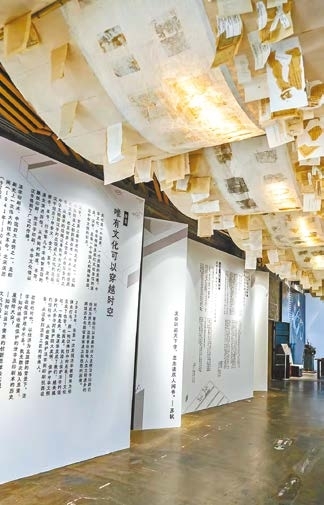
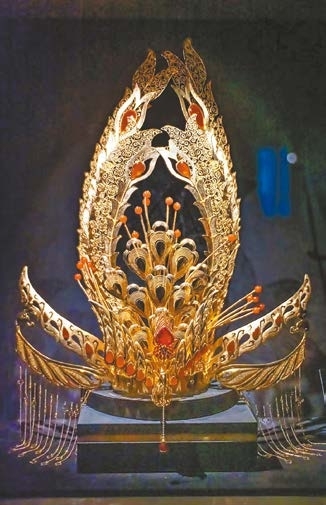
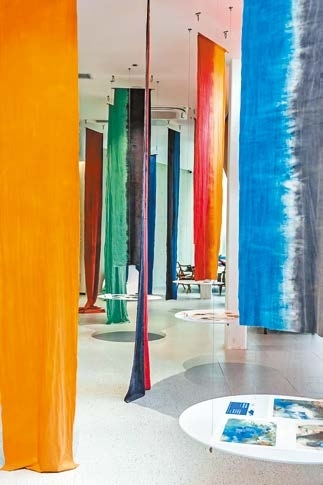
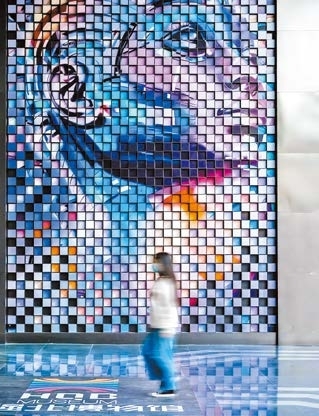
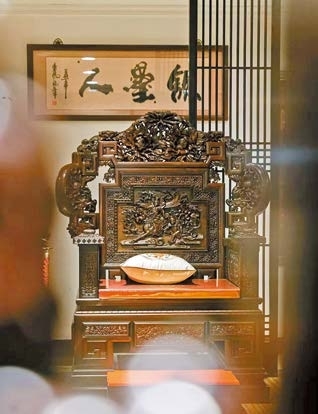
THE mention of museum often brings to mind antiques, paintings, or modern art. But that’s only part of the story. From ancient Chinese typography and designer jewelry to classical redwood furniture, niche museums across the city — each dedicated to unconventional themes — offer a refreshing blend of learning and discovery. Zizai Typography Museum Founded by poet and author Liu Meisong, the Zizai Typography Museum houses 125 sets of wooden movable type, along with types made of clay, bronze, tin, lead, and even porcelain. Visitors can try their hand at movable-type printing and learn the entire process of bookmaking — from design and printing to binding. The museum also sells artistic merchandise such as keychains and teacups, and features a cozy rest area serving coffee. Opening: 10 a.m.–6 p.m., Tuesday to Sunday Venue: Zizai Typography Museum, Longgang District (龙岗区字在活字文化博物馆) Metro: Line 16 to Huilongpu Station (回龙埔站), Exit C Shenzhen Jewelry Museum Tucked away in a building in Shuibei — Luohu District’s hub for gold and jewelry manufacturing — this public museum is China’s first dedicated to jewelry. Spanning 2,610 square meters, the museum is divided into two main sections: One traces the history of jewelry from the Old Stone Age to the Qing Dynasty (1644–1911), while the other showcases dazzling artisan pieces, complemented by documents explaining traditional craftsmanship. Highlights include a lifelike ant-shaped brooch crafted in gold, a butterfly adorned with natural turquoise, sapphires, diamonds, and an intricately designed eagle desk ornament made of silver thread. Opening: 10 a.m.–5 p.m., Tuesday to Sunday Venue: Shenzhen Jewelry Museum, Shuibei 1st Road, Luohu District (罗湖区水贝一路深圳珠宝博物馆) Metro: Line 3 or 7 to Tianbei Station (田贝站), Exit C or F China Printmaking Museum Located at the end of Metro Line 4, the China Printmaking Museum is the country’s first institution devoted exclusively to printmaking art. Designed by CCDI, the firm behind Beijing’s National Aquatics Center (Water Cube), the museum spans 17,600 square meters with a floor area of 18,600 square meters. Its three floors of exhibition halls feature rotating displays, ensuring a fresh experience with every visit. Facilities include an art bookstore, a craft studio, and lecture halls. On the first floor, visitors can create their own prints in the hands-on studio. Opening: 10 a.m.–5 p.m., Wednesday to Monday Venue: China Printmaking Museum, Longhua District (龙华区中国版画博物馆) Metro: Line 4 to Niuhu Station (牛湖站), Exit C HQB Museum Situated in Huaqiangbei — China’s famed electronics market — the HQB Museum covers 3,500 square meters. Its four-part exhibition chronicles the district’s history and evolution, alongside compelling stories of its entrepreneurs. Blending culture, technology, history, and art, the museum displays iconic electronic products like brick phones, pagers, and Xiaolingtong handsets, evoking a vivid sense of the 1990s. Beyond the main sections, a temporary exhibition area showcases artworks made from electronic waste and old wires, while a large central screen invites interaction with a digital installation. Visitors may also discover clues here to Huaqiangbei’s future. Opening: 10 a.m.–6 p.m., Tuesday to Sunday Venue: HBQ Museum, 5/F, Guangbo Xiandai Zhichuang Building, 1058 Huaqiang Road North, Futian District (福田区华强北路1058号广博现代之窗大厦5楼华强北博物馆) Metro: Line 2 or 7 to Huaqiang North Station (华强北站), Exit B Lotus Art Museum This museum features floor-to-ceiling glass windows that allow visitors to admire artworks while taking in the surrounding park scenery. The two-story building, adorned with classical Chinese décor, houses multiple exhibition halls, lecture rooms, and a salon area. It regularly hosts art exhibitions, public lectures, and cultural exchange events. The adjacent park is known for its summer lotus blossoms and autumn swamp cypress foliage. Opening: 10 a.m.–6 p.m., Tuesday to Sunday Venue: Lotus Art Museum, near the east gate of Honghu Park, Luohu District (罗湖区洪湖公园东大门侧Hi洪湖艺术馆) Metro: Line 7 to Honghu Station (洪湖站), Exit B Meiluen Museum In Guanlan stands Shenzhen’s first redwood art museum — the Meiluen Museum. The museum’s architecture and interiors reflect a classical Chinese style. With 15,000 square meters of indoor space, it houses around 3,800 redwood artifacts and display items. While the collection is mainly furniture, visitors can also admire precious carved masterpieces such as “Dwelling in the Fuchun Mountains,” inspired by the ancient Chinese painting of the same name. The lifelike floral, avian, and aquatic motifs, along with vivid human figures adorning the pieces, attest to the artisans’ exceptional skill and dedication. Opening: 9 a.m.–6 p.m., Monday to Sunday Venue: Meiluen Museum, 330 Guantian Road, Niuhu Community, Longhua District (龙华区牛湖观天路330号美联红木艺术博物馆) Metro: Line 4 to Mission Hills Station (观澜湖站), Exit B(Li Dan) | 