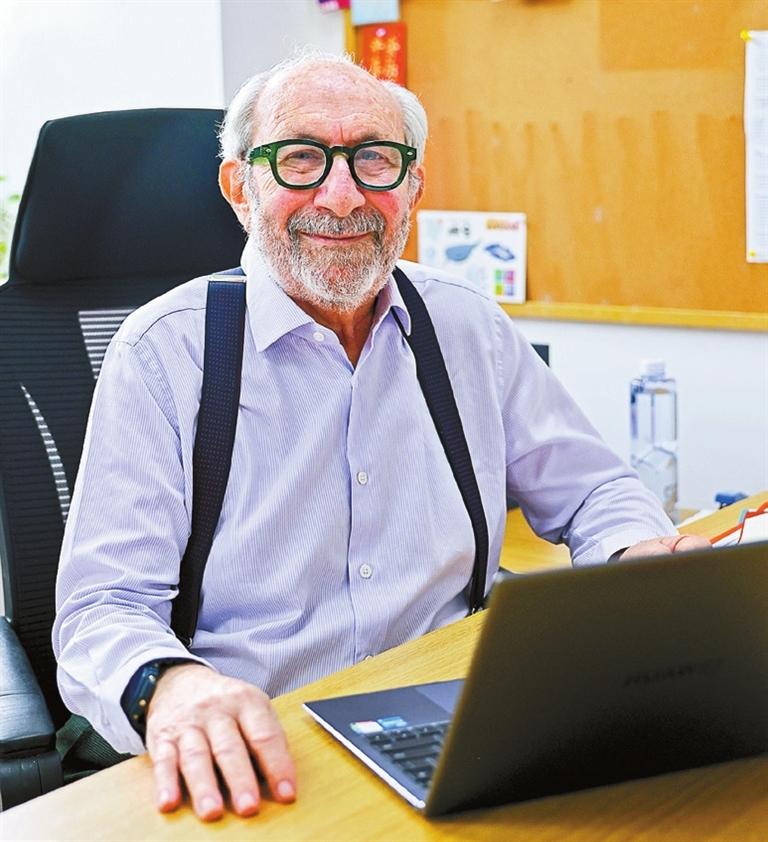
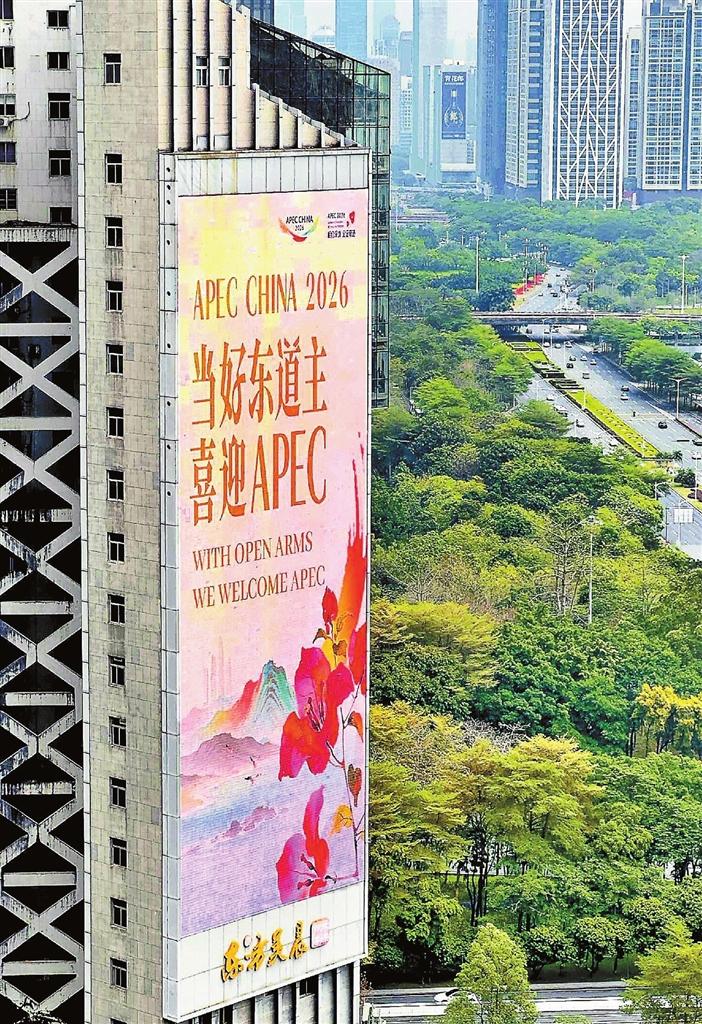
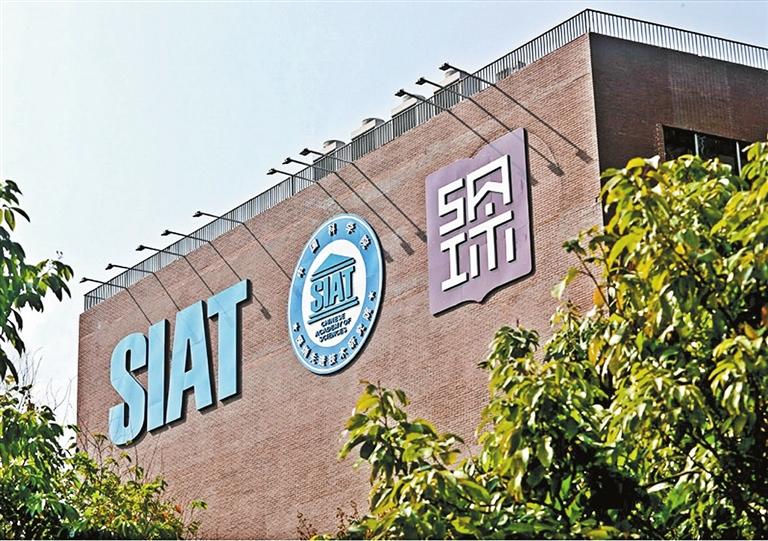
TO Italian immunologist Aldo Tagliabue, vaccines are never mere “cold scientific products.” Instead, he views them as “invisible shields” safeguarding human life. Now a researcher at the Shenzhen Institutes of Advanced Technology (SIAT) of the Chinese Academy of Sciences and chief scientist of the Laboratory of Inflammation and Vaccines, Tagliabue brings half a century of expertise spanning Europe, the Americas, and Asia to China’s “Silicon Valley.” With 11 scientific patents and two of Italy’s highest awards for scientific technology transfer, Tagliabue is perhaps best known for his role in developing the world’s first recombinant vaccine against Bordetella pertussis (whooping cough) and the Meningococcus B vaccine. Today, his focus is rooted in Shenzhen, where he leads a diverse scientific team and fosters high-level international collaboration. “Shenzhen is more than just a host city,” Tagliabue said, referring to the upcoming 2026 APEC meeting. “The city itself has become a core agenda item for Asia-Pacific technological collaboration.” Tagliabue’s office offers a glimpse into his dual world. On the wall, a large map of China hangs alongside a map of Shenzhen, where he has circled dozens of local landmarks. Gesturing toward the border, he noted, “Hong Kong is just across the river — it is very close.” His entry into the field of immunology in the mid-1970s was almost serendipitous, he recalled. At the time, the field was evolving at an astonishing pace. He took a chance on the burgeoning science and never looked back. The peak of his 40-year career came while working alongside the renowned Italian vaccine pioneer Rino Rappuoli. Together, they developed the recombinant acellular pertussis vaccine — the first of its kind against a bacterial disease — and Bexsero, a meningitis B vaccine created using groundbreaking “reverse vaccinology.” “Vaccines are not a big profit-making business; they are a life-saving cause,” Tagliabue said. “Unlike chronic disease drugs that require lifelong use, a vaccine costing a few dozen dollars can alleviate the entire disease burden of a region.” Tagliabue’s relationship with China began in 2006. While serving as the R&D director at the International Vaccine Institute in Seoul, South Korea, he coordinated a multinational team from China, South Korea, Germany, and Italy to develop a SARS vaccine. He first visited China in 2006 for the project’s annual meeting in Shanghai. In 2019, a long-time Chinese colleague invited him to join SIAT. “I saw this as a perfect opportunity to start a new chapter in China’s fertile scientific ground,” he said. After consulting his wife — also a researcher — the couple relocated to Shenzhen to establish a research team dedicated to infection immunology and vaccine development. To prepare for the move, his daughter gave him a book titled “The Shenzhen Experiment: The Story of China’s Instant City.” “From that book, I learned how Shenzhen transformed into a modern international metropolis of over 10 million people in just 40 years,” he said. At SIAT, Tagliabue led the establishment of the Laboratory of Inflammation and Vaccines. He represents the institute in several major international initiatives, including Bill & Melinda Gates Foundation ventures and joint research with Italy’s Fondazione BioSciences on COVID-19 immune responses. He is also working to expand China-Europe ties and pave the way for a new Sino-Italian joint lab. To date, Tagliabue has mentored dozens of Chinese researchers and built a 20-person team specializing in immunology, vaccinology, and nanomedicine. Looking ahead to the 2026 APEC meeting, Tagliabue draws a parallel between the 21-member bloc and the European Union. “APEC mirrors the EU in its reliance on collective strength,” he noted. “To achieve scientific breakthroughs, we must pool our financial and technical resources, forging a unified force for innovation.” “Beyond being the host city, Shenzhen itself will be at the heart of the Asia-Pacific’s tech innovation agenda. As a core engine of the Guangdong-Hong Kong-Macao Greater Bay Area, the city is an essential hub for the integration of global data governance, AI, and biotechnology.” From Milan to Siena, and Seoul to Shenzhen, Tagliabue’s career has bridged continents. In his office, the annotated maps and hand-drawn cards serve as a testament to his journey. “When you have a dream,” he said, “you must go and achieve it.” (Li Jing) | 