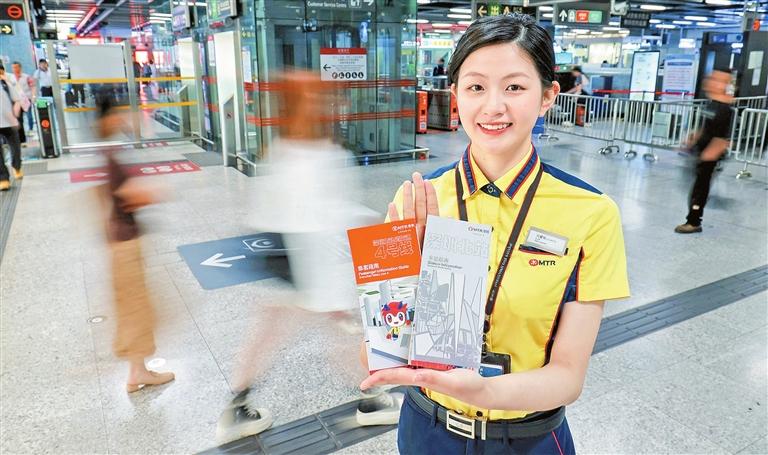
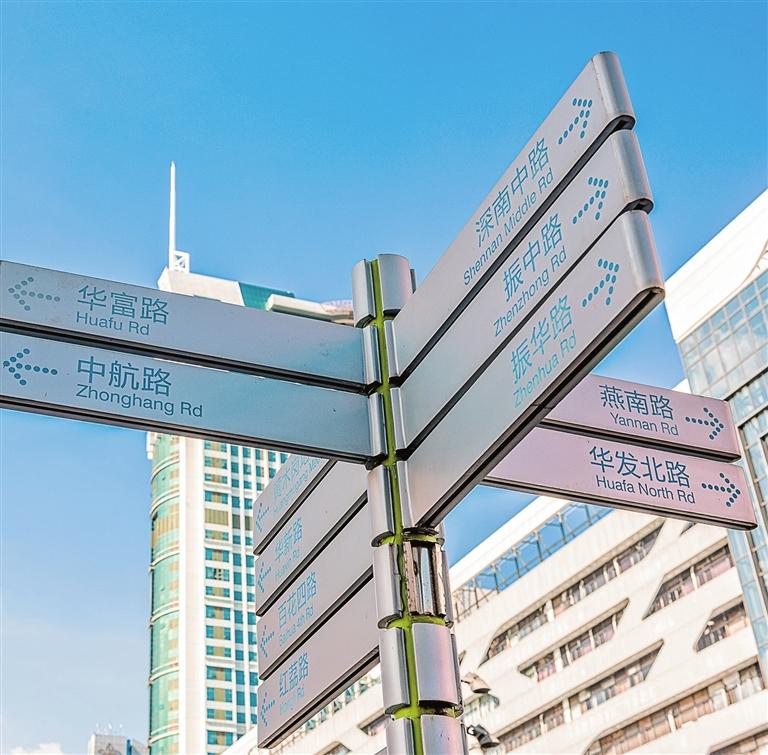
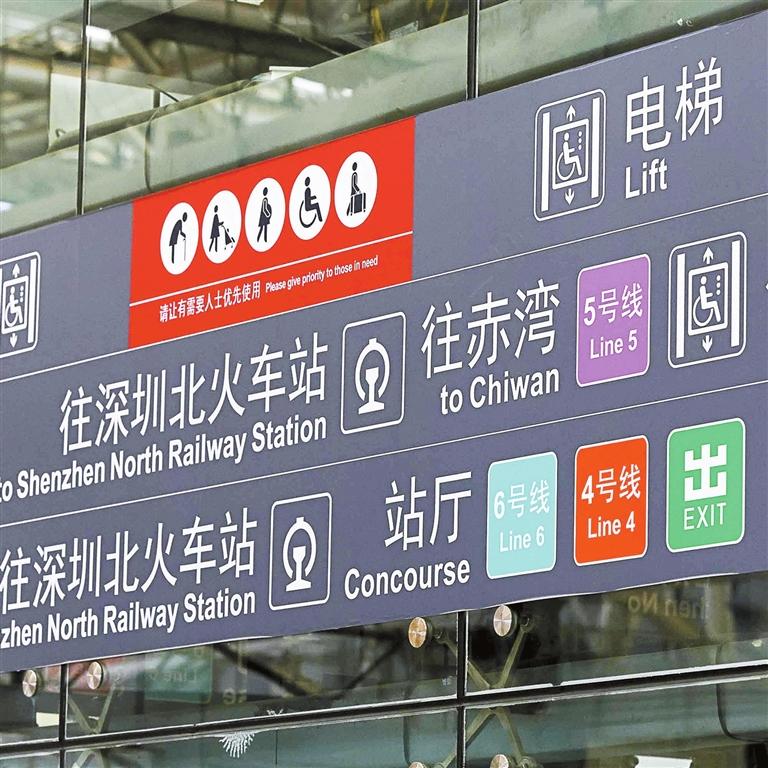
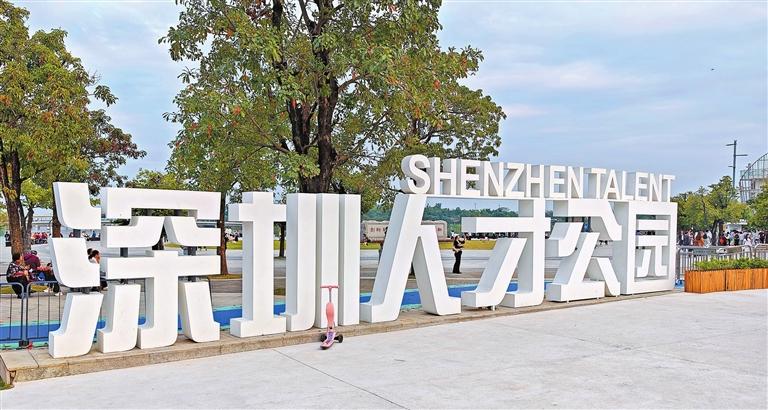
SOCIAL media is buzzing with talk of “International Shenzhen” — a city where bilingual street signs and quadrilingual displays at the airport and border checkpoints are rapidly reshaping the linguistic landscape. This transformation has, in turn, inspired a wave of civic engagement. Through the “Inquiry System of Chinese-English Public Signs” — a dedicated WeChat mini-program — residents are now acting as volunteer “quality inspectors” for a citywide campaign spanning about 2,000 square kilometers. By simply snapping and uploading photos of mistranslated signs, citizens trigger a seamless “closed-loop” process: translation experts promptly provide standard renderings, while the relevant government departments and citizens are notified to make corrections. Once rectification is complete, photos of the updated signs are fed back into the system. The timing is critical. With the 33rd APEC Economic Leaders’ Meeting approaching in November, Shenzhen is accelerating its efforts to build a world-class international language environment. This year, the Foreign Affairs Office of the Shenzhen Municipal People’s Government, in partnership with the Shenzhen News Group’s Global Communication Center and Shenzhen Media Group, launched a citywide campaign to root out English mistranslations on public signage. The initiative invites residents to take part both online and through monthly offline “Error-Correction Squad” challenges. Rewards are tied to leaderboard rankings and the quality of suggestions submitted. So far, teams have fanned out to key venues, including Futian CBD, the airport, Shenzhen World Exhibition & Convention Center, and Shenzhen North Railway Station. “I’ve lived in Shenzhen for over a decade, and my child was born here,” said Mr. An, who joined an offline challenge in April. “As a Shenzhener, I want to contribute to the city’s preparations for APEC.” Another resident, Mr. Fan, has submitted dozens of reports and seen many of his suggestions lead to real-world changes. The campaign does more than just fix signs; it fosters global awareness. Participants learn expert translation standards, aided by a series of instructional videos released by the foreign affairs office. Meanwhile, dedicated government inspection teams patrol the streets daily. Since the Lunar New Year, more than 4,000 issues have been identified and addressed across transportation hubs, cultural sites, and service centers. As a primary gateway for international visitors, the airport has set a high bar for efficiency, often completing fixes within 24 hours. For example, when mixed usage of “elevator” and “lift” was identified, all relevant signage was replaced across the terminal in just one day. Zhang Yina, manager of the airport’s service quality department, said the airport launched a multilingual signage upgrade project last December. International arrival and departure areas now feature quadrilingual signs in Chinese, English, Japanese, and Korean. To maintain accuracy, the airport employs a rigorous feedback loop involving staff, passengers, and volunteers. Once a discrepancy is flagged, the airport coordinates with the foreign affairs office for expert review, ensuring that corrected signs are produced and installed as quickly as possible. The Metro system is undergoing similar upgrades, with dynamic updates to its foreign-language signage. Portable translation devices are now available at stations serving major transport hubs and border checkpoints.(Li Jing) | 