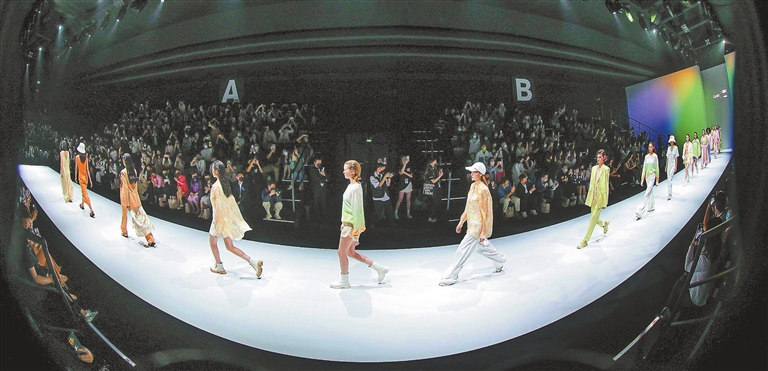
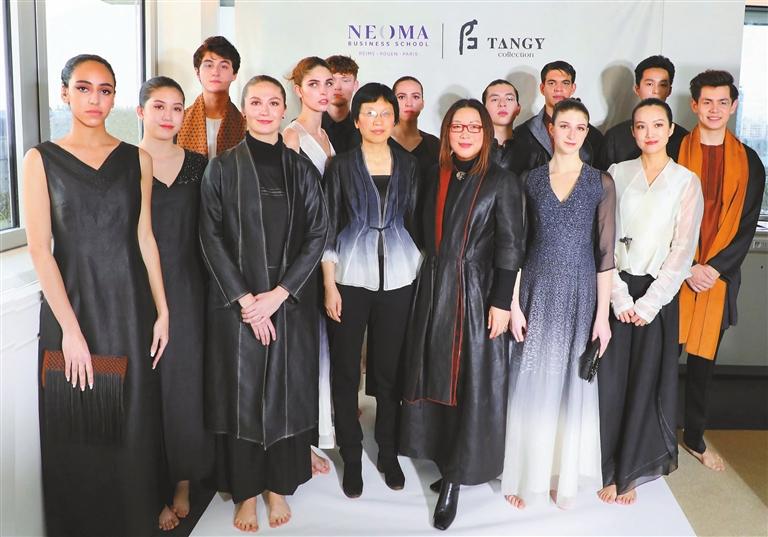


WHEN Shenzhen hosts the APEC summit this November, its four-decade journey of reform, opening-up and innovation will show the world that developmental success can be shared — and that Asia-Pacific partners can unite to write a new chapter of cooperation, said Yi Na, a researcher and doctoral supervisor at the Institute of Ethnic Literature, Chinese Academy of Social Sciences. “APEC is the highest-level, broadest and most influential economic cooperation mechanism in the Asia-Pacific region. Following Shanghai and Beijing, Shenzhen has become China’s third APEC host city, carrying the nation’s trust and expectations,” Yi said. As a pilot demonstration area for socialism with Chinese characteristics and a core engine of the Guangdong-Hong Kong-Macao Greater Bay Area, Shenzhen is defined by reform, openness and innovation — qualities that closely align with APEC’s priorities of openness, innovation and cooperation. The summit will offer a new window into China, with Shenzhen as a vivid example of Chinese modernization’s practical path and achievements, she said. “Hosting the APEC summit will boost Shenzhen’s international engagement, urban governance and global resource allocation,” Yi said. APEC is both an economic platform and a venue for civilizational exchange, and Shenzhen should use it to showcase its cultural character, she added. “I watched a promotional video about Longgang District. Its development, scenery and food impressed me, but everyday scenes of ordinary residents transcended cultural barriers and showed the area’s inclusive, diverse and warm character,” she said. Yi suggested Shenzhen invite APEC delegates to visit bookstores, parks, neighborhoods and innovation labs to meet entrepreneurs, engineers, creative professionals, volunteers and residents. “Letting ordinary people tell Shenzhen’s story makes its natural beauty, cultural heritage and innovative vitality tangible and relatable,” she said. “That shows Shenzhen as a modern global city that values human wisdom, dignity and compassion.” “Design is a good entry point for storytelling. A product, public space or green solution can make the city’s values — openness, inclusiveness and people-oriented development — feel tangible,” she said. In 2008, Shenzhen was named a UNESCO City of Design — China’s first and the world’s sixth. Yi said the APEC summit gives Shenzhen a chance to shift from an “economic miracle” story to one of broader “civilizational value,” while reinforcing its City of Design identity. She traced Shenzhen’s growing global design influence to its integration of design with industry and urban operations, its manufacturing and active markets that turn ideas into products, and an open talent pool that develops new design languages for emerging tech and industries. Its “building the city through culture” strategy, launched in 2003, has backed the design sector for over two decades, she said. Yi urged Shenzhen to apply design to urban renewal, age-friendly retrofits, green transition and digital governance. She also called for more support for local brands, stronger IP protection and fast-tracking of AI design standards — steps that would boost China’s voice in global rule-making. “Shenzhen should turn the summit’s global attention into lasting urban clout,” Yi said. She proposed establishing an APEC Meeting Legacy List to turn multilingual services, sister-city cooperation, joint design projects, public cultural initiatives and international communication resources into long-term mechanisms. These could be supported through platforms such as Shenzhen Design Week and the China (Shenzhen) International Cultural Industries Fair to create replicable models for urban internationalization. Many APEC economies are also home to UNESCO Cities of Design. Yi suggested Shenzhen strengthen ties with such cities for complementary development. “During the 2026 Shenzhen Design Week, Shenzhen launched an initiative for practical cooperation among Asia-Pacific creative cities,” she said. Through the initiative, Shenzhen could use its design, manufacturing and supply chain strengths to deepen cultural ties and promote shared prosperity across the Asia-Pacific, Yi said. She proposed joint sustainability projects, regular youth designer residencies, academic exchanges and talent programs. Shenzhen could also use its manufacturing and supply chains to move ideas from prototyping to market, while building a shared Asia-Pacific design repository under an open IP framework. She hopes Shenzhen will make full use of its design strengths and creative cooperation to drive trade, tech and social progress — providing lasting momentum for an Asia-Pacific community and shared prosperity. (Li Jing) | 