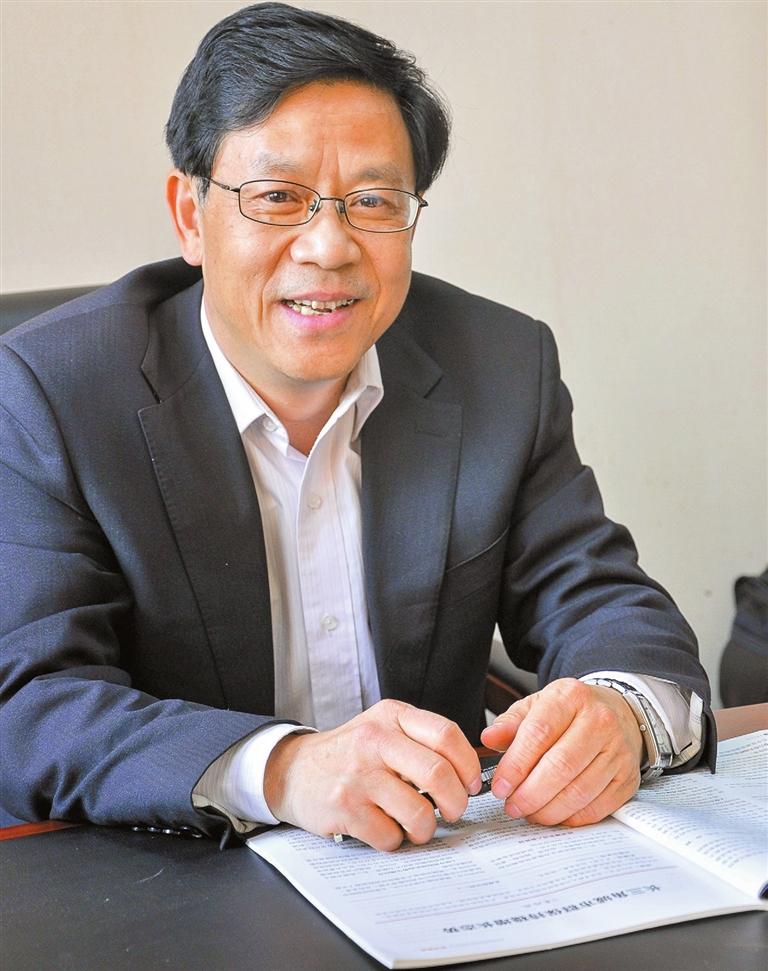
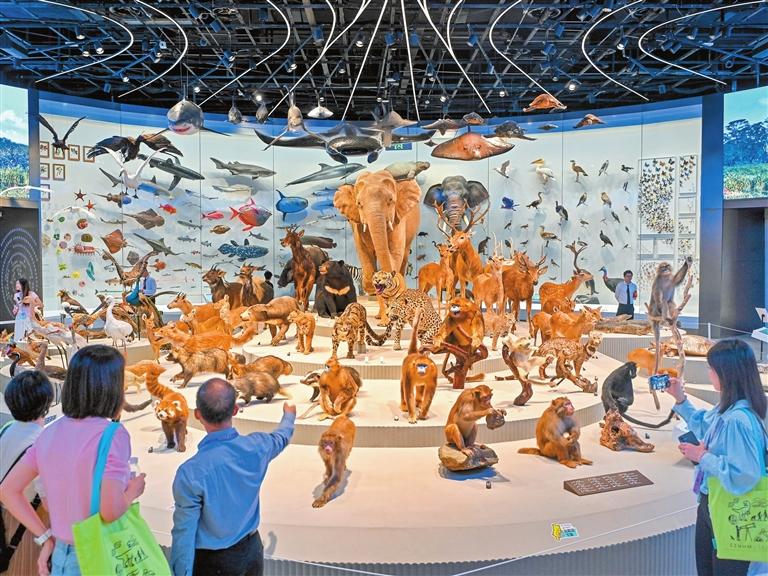
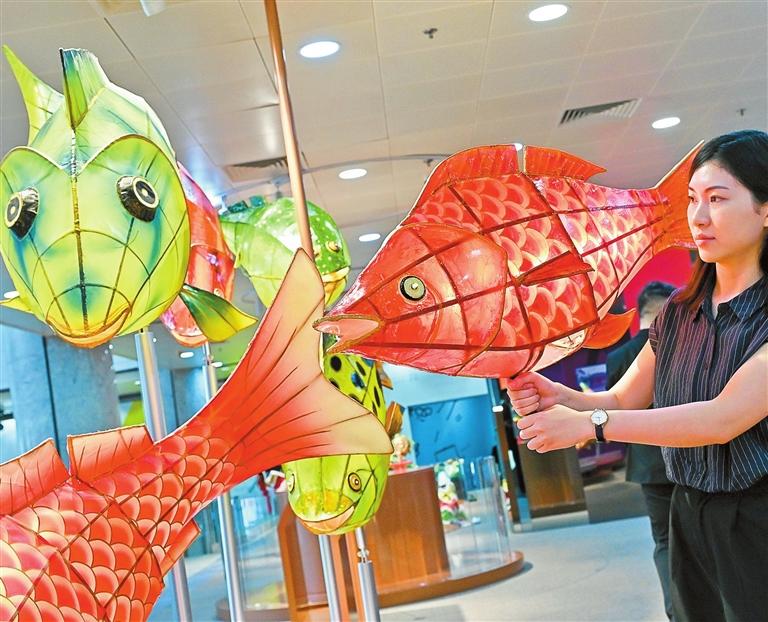
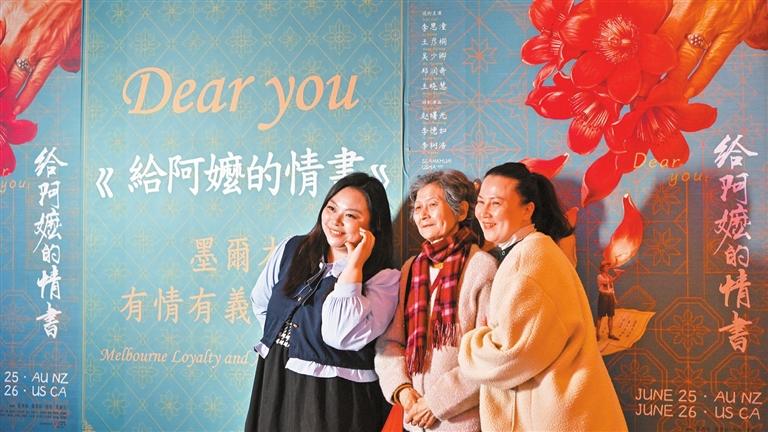
QI SHUYU, a professor at the Party School of the CPC Central Committee (National Academy of Governance), said the APEC Economic Leaders’ Meeting in Shenzhen this November will serve as a platform to strengthen Asia-Pacific economic and trade cooperation, promote cultural exchanges, and showcase the city’s cultural achievements. “It’s no coincidence that Shenzhen has become China’s third APEC host city,” Qi said. “Shenzhen was chosen because of its geographical advantages, progress in reform and opening-up, strong innovation capabilities, and rich experience in hosting major events.” Over four decades, Shenzhen has grown from a small border town into an international metropolis with a GDP exceeding 3.8 trillion yuan (about US$543 billion), becoming a core engine of the Guangdong-Hong Kong-Macao Greater Bay Area, Qi said. The city’s achievement epitomizes Chinese modernization. Its international conference and event services also make it well placed to host a major multilateral meeting, he said. “The APEC meeting in Shenzhen will send a strong signal that China is committed to reform and opening-up, multilateralism and international cooperation,” Qi said, adding that it will also allow Shenzhen to present different aspects of Chinese modernization and offer its development experience as practical examples for the Asia-Pacific region. Qi urged the city to use the event to highlight the combination of traditional Chinese culture and modern urban life. He suggested exhibitions on Shenzhen’s intangible cultural heritage, gift packages featuring Shenzhen-designed products and local brands, and city tours that show the contrast between its trillion-yuan economy and its park-filled urban landscape. He also called for more efforts to promote Shenzhen’s cultural and artistic works overseas. In 2025, works from the city won 86 national and international awards. Shenzhen should use the APEC meeting to bring such works to audiences in the Asia-Pacific region and beyond. Qi attributed the growth of the city’s cultural output to stronger institutional support, an open and inclusive cultural environment, and a solid industrial base. Looking ahead, Shenzhen should draw on Cantonese, Hakka and Chaoshan traditions, tell stories about technology entrepreneurs and cross-border youth, and create works with international themes. It should also learn from global creative practices to bring Chinese cultural works to wider international audiences. Shenzhen should broaden its image beyond that of an “economic miracle” and highlight its wider cultural and social value, turning the international attention generated by the meeting into lasting cultural influence. “The international media attention generated by the APEC meeting will be temporary, while communicating a city’s cultural value requires subtle storytelling and long-term planning,” he said. Rather than relying on overt promotion, Shenzhen should use artistic works, urban scenes and real-life cases to communicate its character. Qi proposed holding events such as a cultural and creative week and a youth film festival during the meeting. He also suggested establishing a permanent international exchange platform and exploring anniversary events to maintain cultural and business links after the meeting. Qi urged Shenzhen to use its strengths to promote three forms of regional connectivity: infrastructure, institutional cooperation and people-to-people exchanges. In infrastructure, Shenzhen can draw on its deep-water ports, land checkpoints and emerging sectors such as the low-altitude economy and new energy vehicles to build pilot cooperation models in cross-border data flows, smart ports and electric-bus standards. In institutional cooperation, Qianhai and the Hetao Shenzhen-Hong Kong Science and Technology Innovation Cooperation Zone could explore cross-border finance, data flows and mutual recognition of professional qualifications, generating practices that could be adopted elsewhere in the Asia-Pacific region. For people-to-people exchanges, Shenzhen should build on its openness to attract more young people from across the Asia-Pacific region and use online platforms to encourage young creators to produce short videos, web dramas and other works on regional life, helping co-create a shared Asia-Pacific narrative, Qi said. (Li Jing) | 